
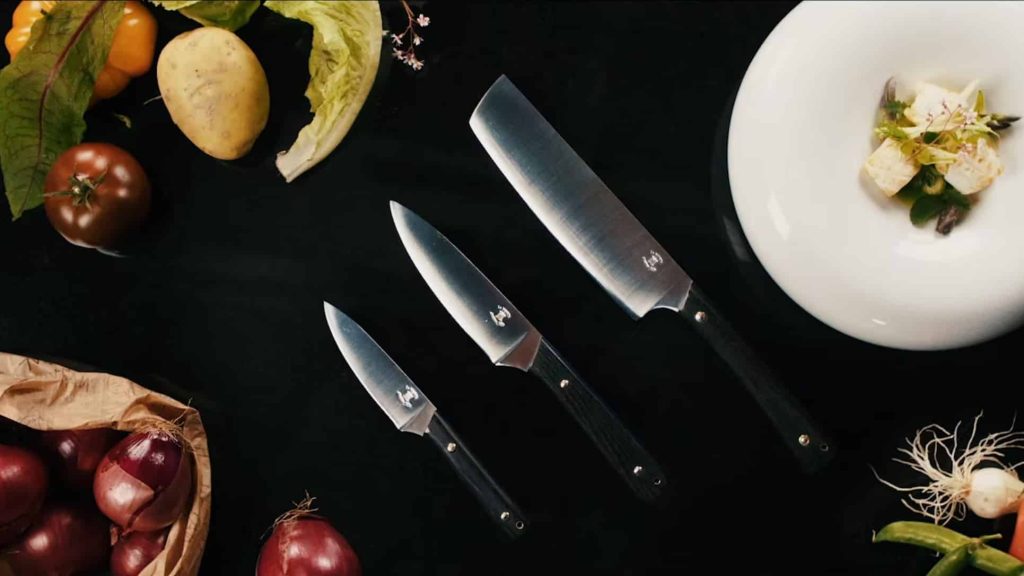
In the culinary world, precision is everything. Whether you’re a seasoned chef running a busy kitchen or a passionate home cook preparing meals for your family, one tool remains your most trusted companion — your knife. But even the best blades lose their edge over time. So, how do you know when it’s time to resharpen?
Let’s explore the signs, the science, and the solutions behind knife sharpening, so you can keep your culinary game sharp — literally.
Why Sharp Knives Matter in the Kitchen?
A sharp knife is not just about clean cuts; it’s about:
- Efficiency: You work faster and with less effort.
- Precision: Uniform cuts cook evenly and look professional.
- Safety: Dull knives are dangerous because they slip.
- Ingredient Integrity: A sharp blade preserves textures and flavors, especially for delicate items like herbs or fish.
Key Signs It’s Time to Sharpen
1. Increased Effort When Cutting
If you’re pressing harder than usual just to chop veggies or slice meat, your knife is likely dull.
2. Tearing Instead of Slicing
If tomatoes squash or herbs bruise instead of cleanly slicing, the edge has lost its bite.
3. Slipping on the Surface
A sharp blade grips the food. A dull one glides or slips, increasing the risk of injury.
4. Fails the Paper Test
Try slicing through a sheet of paper. A dull blade will tear or fold the paper instead of gliding through it.
5. Reflective Blade Edge
Hold your knife under a light. A rounded, shiny edge means it’s dull. A sharp edge won’t reflect light.
6. Irregular Cutting Results
Uneven slices, ragged edges, or inconsistent food texture are signs your knife can’t perform precisely.
How Often Should You Sharpen?
| User Type | Suggested Sharpening Frequency |
|---|---|
| Professional Chefs | Every 2–4 weeks, depending on workload and cuisine |
| Home Cooks | Every 6–12 months, or when knives feel dull |
| Commercial Kitchens | Every 1–2 weeks, due to high-volume food prep |
Use a honing rod regularly to maintain the edge. When honing no longer restores sharpness, it’s time to sharpen.
Methods of Sharpening
1. Whetstone (Sharpening Stone)
- Best for precise edge control.
- Use consistent angles (15° for Japanese knives, 20° for Western).
- Requires some practice.
2. Sharpening Rod (Honing Steel)
- Maintains alignment of the blade.
- Use frequently, but it’s not a substitute for actual sharpening.
3. Manual or Electric Sharpeners
- Quick and convenient.
- Be cautious with frequent use; it may remove more steel than necessary.
4. Professional Resharpening Services
- Ideal for expensive or heavily used knives.
- Ensures correct angle and avoids overheating damage.
Common Mistakes to Avoid
- Using glass, ceramic, or marble cutting boards.
- Sharpening too often or incorrectly.
- Storing knives loose in a drawer, leading to edge damage.
- Washing knives in dishwashers — high heat and detergents are harsh on blades.
- Skipping regular honing.
Pro Tips for Knife Longevity
- Wash and dry immediately after use.
- Store in a knife block, on a magnetic strip, or with a sheath.
- Use wooden or food-grade plastic cutting boards.
- Hone your blade every few uses.
- Home cooks should sharpen their knives professionally once or twice a year, while professionals may benefit from more frequent sharpening—every 1–3 months depending on usage.
Final Thoughts: Stay Sharp, Cook Smart
A sharp knife isn’t just a tool — it’s an extension of your skill. Recognizing when it’s time to sharpen keeps your cooking efficient, professional, and safe. Whether you’re running a restaurant kitchen or preparing dinner at home, maintaining your knives is a culinary must.
Need Help? CNS Trading Has You Covered
At CNS Trading, we understand how vital sharp tools are to your craft. That’s why we offer professional sharpening services tailored specifically for the culinary industry — from restaurant kitchens to home chefs.
✅ Precision sharpening with Industry-Grade Equipment
✅ Pickup & Delivery Options for Doha-based Clients
✅ High-Quality Blade Care and Maintenance Tips
✅ Custom Sharpening Solutions for Chef’s Knives, Cleavers, Paring Knives, and More
Don’t let a dull blade slow you down. Trust CNS Trading to keep your tools sharp, safe, and ready.
Frequently Asked Questions (FAQs)
A: If honing no longer improves the blade’s performance, and cutting becomes effortful or unsafe, it’s time for sharpening.
A: Yes, but sharpening serrated knives requires specialized tools or professional services — which CNS Trading offers.
A: Honing realigns the edge without removing metal. Sharpening removes material to create a new edge.
A: Occasionally, yes — but frequent use can grind the blade unevenly and shorten its lifespan.
A: Not necessarily. Even premium blades require regular maintenance to stay sharp, especially with heavy use.
A: Around 20° for Western knives and 15° for Japanese blades. Maintaining consistency is crucial for results.