
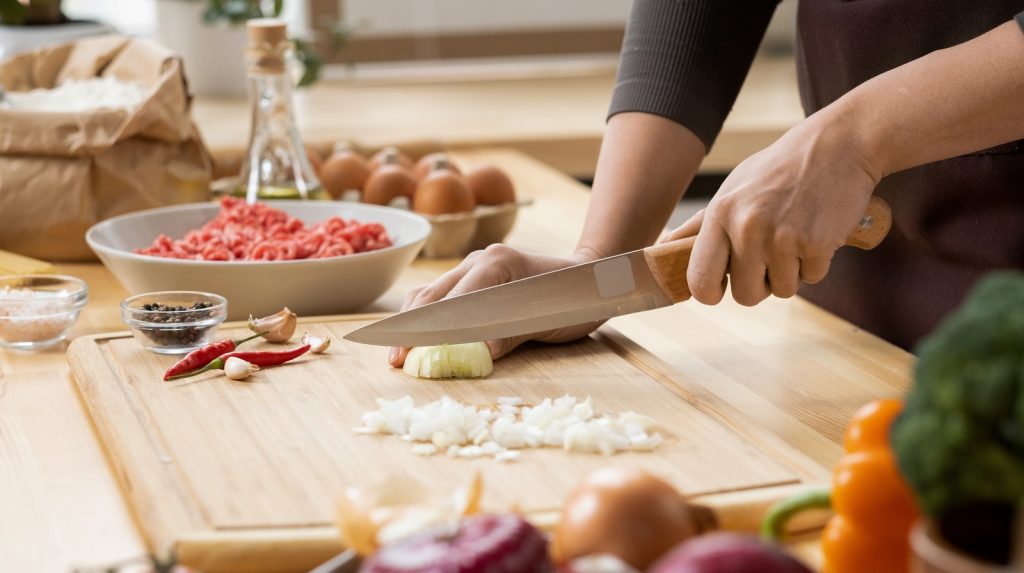
In the fast-paced world of professional kitchens, hygiene isn’t just a standard — it’s a non-negotiable. While chefs focus on sanitizing surfaces, storing food properly, and maintaining kitchen protocols, one critical factor often gets overlooked: the sharpness of their tools.
Sharpening isn’t only about performance — it plays a surprisingly vital role in maintaining hygiene and food safety.
Sharp vs. Dull Tools
A sharp knife glides cleanly through food, causing minimal disruption to the structure of ingredients. Dull blades, on the other hand, tear, shred, and crush food — increasing surface area exposure and potentially inviting bacterial growth. Clean cuts reduce the risk of contamination, especially when handling meats, poultry, and seafood.
Moreover, dull knives require more pressure, increasing the risk of slips, injuries, and accidental cross-contamination.
Hygiene Starts at the Edge
Here’s how sharpening supports a more hygienic kitchen environment:
1. Cleaner Cuts Mean Cleaner Workstations
Dull knives often leave behind mashed remnants, juices, and uneven residue. This mess not only slows down prep but also makes workstations harder to clean. Sharper tools contribute to more precise cuts and a cleaner overall workflow.
2. Reduced Cross-Contamination
Using a dull knife across multiple ingredients can increase the chances of bacteria transfer, especially if residue sticks to the blade. A well-sharpened knife is easier to clean between tasks, reducing microbial buildup.
3. Improved Sanitization
Sharpened edges are typically smoother and easier to sanitize. Tiny nicks and imperfections on dull blades can harbor bacteria, even after washing. Maintaining the sharpness of blades helps ensure they stay clean-ready after every use.
4. Better Cutting Boards, Longer Life
Dull knives can gouge cutting boards, leaving deep grooves that trap food particles and bacteria. Sharp knives help maintain the integrity of your chopping surfaces — a small change with a big hygiene payoff.
Sharpening as a Routine, Not a Reaction
For kitchens striving to meet health code standards and deliver consistently safe food, sharpening should be a proactive routine — not a reactive fix. Incorporating regular tool sharpening into the kitchen’s workflow keeps hygiene, safety, and productivity high.
Professional chefs in Qatar and across the region know: a sharp blade isn’t just a sign of skill — it’s a mark of cleanliness and respect for the ingredients.
Final Thoughts
In professional kitchens where every detail matters, blade sharpness shouldn’t be underestimated. From reducing contamination risks to supporting better cleaning practices, sharpening is an essential component of kitchen hygiene.
Investing in regular tool sharpening isn’t just good for the knife — it’s good for your customers’ health and your kitchen’s reputation.